Introduction: What Is Royal Oil?
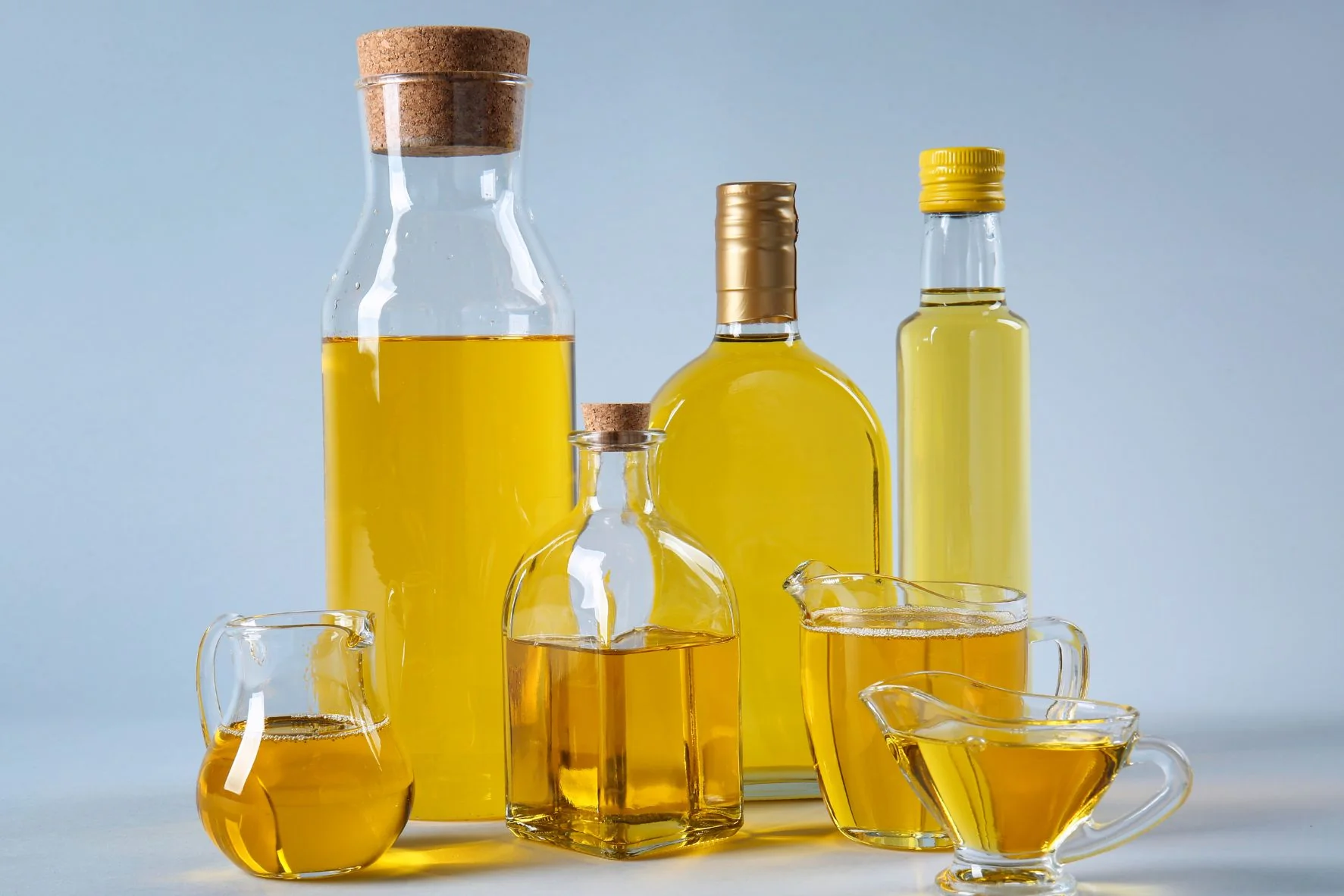
At Royal Health, royal oil refers to nutritionally superior oils that support human physiology at the cellular level.
These oils are characterized by:
-
High biological value
-
Minimal processing
-
Proven benefits for cardiovascular, metabolic, and brain health
Royal oil is not defined by price or rarity, but by scientific evidence and functional impact.
Why Oils Matter in Human Health
Dietary fats are essential for:
-
Cell membrane integrity
-
Hormone synthesis
-
Brain and nervous system function
-
Absorption of fat-soluble vitamins (A, D, E, K)
According to the National Institutes of Health (NIH), fat quality is more important than fat quantity for long-term health.
NIH – Dietary Fats
https://www.ncbi.nlm.nih.gov/books/NBK53550/
The Scientific Criteria of Royal Oil
A true royal oil meets five scientific standards:
-
High unsaturated fat content
-
Low oxidation and thermal damage
-
Presence of bioactive compounds
-
Anti-inflammatory properties
-
Cardiometabolic protection
Extra Virgin Olive Oil: The Gold Standard of Royal Oils
Extra virgin olive oil (EVOO) is the most researched and validated royal oil.
Scientifically Proven Benefits
-
Reduces cardiovascular disease risk
-
Improves endothelial function
-
Lowers inflammation and oxidative stress
The PREDIMED trial, one of the largest nutrition studies, showed that olive-oil-rich diets significantly reduce heart disease events.
New England Journal of Medicine – PREDIMED
https://www.nejm.org/doi/full/10.1056/NEJMoa1200303
Key Bioactive Compounds
-
Oleic acid
-
Polyphenols (oleuropein, hydroxytyrosol)
European Food Safety Authority (EFSA)
https://www.efsa.europa.eu
Omega-3 Oils: Royal Nutrition for the Brain and Heart
Omega-3 fatty acids are essential fats that the body cannot produce.
Sources of Royal Omega-3 Oils
-
Fish oil
-
Algal oil
-
Flaxseed oil
Evidence-Based Benefits
-
Reduces triglycerides
-
Supports cognitive function
-
Lowers systemic inflammation
American Heart Association – Omega-3 Fats
https://www.heart.org/en/healthy-living/healthy-eating/eat-smart/fats/omega-3-fatty-acids
Avocado Oil: Heat-Stable Royal Oil
Avocado oil is unique due to its:
-
High monounsaturated fat content
-
Heat stability
-
Vitamin E richness
Research shows avocado oil improves lipid profiles and insulin sensitivity.
Journal of Nutrition – Avocado Oil
https://academic.oup.com/jn
Coconut Oil: Royal Oil with Caution
Coconut oil contains medium-chain triglycerides (MCTs), which may support:
-
Short-term energy metabolism
-
Certain neurological conditions
However, its high saturated fat content means it should be used selectively.
Harvard Medical School – Coconut Oil
https://www.health.harvard.edu/staying-healthy/coconut-oil
Royal Health classifies coconut oil as functional but not foundational.
Seed Oils: What Royal Oil Is Not
Highly refined seed oils:
-
Are often oxidized
-
Contain excessive omega-6 fats
-
May promote inflammation when overconsumed
WHO and multiple reviews recommend limiting industrially processed oils.
World Health Organization – Fat Intake
https://www.who.int/news-room/fact-sheets/detail/healthy-diet
Cooking with Royal Oils: Science-Based Guidelines
Different oils serve different purposes:
-
Extra virgin olive oil: low to medium heat
-
Avocado oil: high-heat cooking
-
Flaxseed oil: cold use only
Overheating oils produces harmful oxidation products.
National Institute on Aging – Healthy Cooking
https://www.nia.nih.gov/health/healthy-eating
Royal Oil and Longevity Research
Long-living populations consistently consume:
-
Olive oil as a primary fat
-
Minimal industrial oils
-
Traditional cooking methods
This pattern is well documented in Mediterranean diet studies.
Harvard T.H. Chan – Mediterranean Diet
https://www.hsph.harvard.edu/nutritionsource/healthy-weight/diet-reviews/mediterranean-diet/
How to Choose a True Royal Oil
Royal Health recommends:
-
Cold-pressed oils
-
Dark glass bottles
-
Clear harvest and origin labeling
-
Freshness within shelf-life
Avoid oils with:
-
Artificial flavoring
-
Deodorization
-
Plastic packaging exposure
What Royal Oil Is Not
Royal oil is not:
-
Highly refined
-
Chemically extracted
-
Overheated repeatedly
-
Used excessively
Health comes from quality and moderation, not excess.
Final Thoughts: Royal Oil Is Intelligent Fat
Royal oil represents scientifically guided fat consumption that supports:
-
Heart health
-
Brain performance
-
Hormonal balance
-
Healthy aging
At Royal Health, we believe that choosing the right oil is a daily investment in longevity and cellular health.