Introduction: Why Food Preservatives Matter
Food preservatives are substances added to foods to:
-
Prevent microbial growth
-
Delay spoilage
-
Maintain color, texture, and flavor
-
Extend shelf life
From a public health perspective, preservatives have prevented foodborne illnesses and reduced food waste. However, concerns remain regarding overconsumption, chronic exposure, and ultra-processed foods.
At Royal Health, the goal is to evaluate preservatives through scientific evidence, not fear or marketing claims.
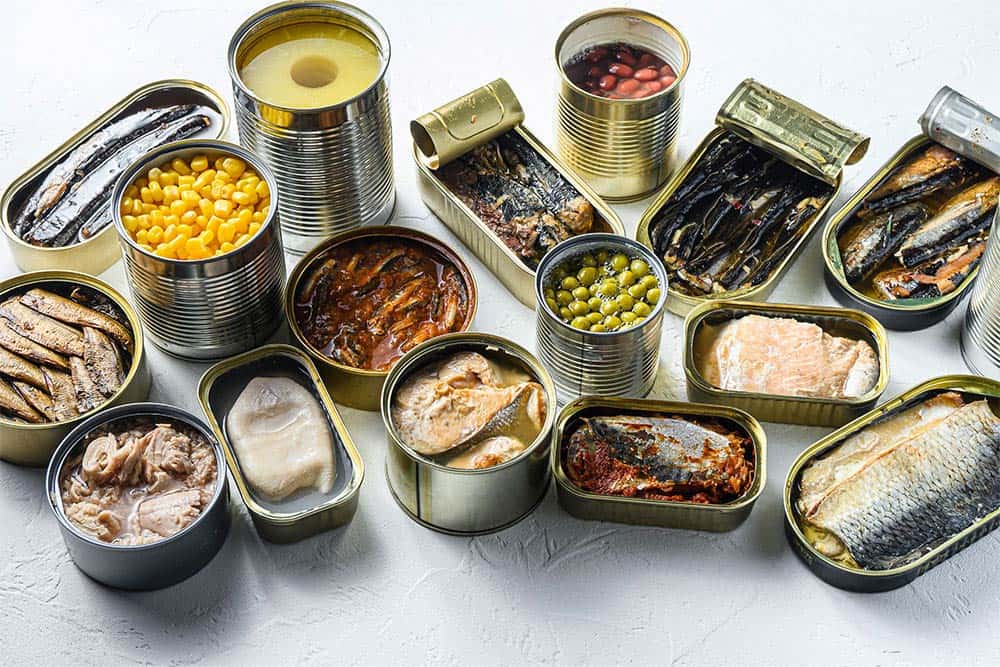
What Are Food Preservatives?
Food preservatives are regulated food additives approved for use based on toxicological safety studies.
They are broadly classified into:
-
Natural preservatives
-
Artificial (synthetic) preservatives
According to the World Health Organization (WHO) and FAO, approved preservatives are considered safe within established acceptable daily intake (ADI) limits.
WHO – Food Additives
https://www.who.int/teams/nutrition-and-food-safety/food-additives
Why Preservatives Are Used: Public Health Perspective
Preservatives play a critical role in:
-
Preventing bacterial contamination (e.g., botulism, salmonella)
-
Reducing food waste
-
Supporting food security in urban populations
The U.S. Food and Drug Administration (FDA) confirms that preservatives significantly reduce foodborne disease risk.
FDA – Food Additives Overview
https://www.fda.gov/food/food-additives-petitions/overview-food-ingredients-additives-colors
Natural Food Preservatives
Natural preservatives are derived from plants, minerals, or fermentation processes.
Common Natural Preservatives
-
Salt
-
Sugar
-
Vinegar (acetic acid)
-
Citric acid
-
Rosemary extract
Health Impact
Natural preservatives are generally well tolerated and have been used safely for centuries. Some, such as plant polyphenols, provide additional antioxidant benefits.
European Food Safety Authority (EFSA) – Natural Additives
https://www.efsa.europa.eu
Artificial (Synthetic) Food Preservatives
Synthetic preservatives are chemically manufactured and widely used in processed foods.
Common Artificial Preservatives
-
Sodium benzoate
-
Potassium sorbate
-
Nitrates and nitrites
-
Sulfites
-
BHA and BHT
These compounds are approved only after toxicological evaluation.
Scientific Evaluation of Safety: ADI Concept
Preservative safety is assessed using the Acceptable Daily Intake (ADI)—the amount that can be consumed daily over a lifetime without appreciable health risk.
Joint FAO/WHO Expert Committee on Food Additives (JECFA)
https://www.who.int/groups/joint-fao-who-expert-committee-on-food-additives
Exceeding ADI levels typically occurs only with frequent consumption of ultra-processed foods, not from occasional intake.
Preservatives of Health Concern: What Science Says
Nitrates and Nitrites
Used in processed meats to prevent bacterial growth.
Evidence:
-
Associated with increased colorectal cancer risk when consumed excessively
-
Risk is dose-dependent and influenced by overall dietary pattern
World Cancer Research Fund – Processed Meat
https://www.wcrf.org/diet-activity-and-cancer/risk-factors/meat-fish-dairy/
Sulfites
Used in dried fruits and wines.
Potential effects:
-
Asthma exacerbation in sensitive individuals
-
No evidence of harm in the general population at regulated doses
NIH – Sulfites
https://ods.od.nih.gov/factsheets/Sulfite-Consumer/
BHA and BHT
Antioxidant preservatives in packaged foods.
Evidence:
-
High-dose animal studies raised concerns
-
Human exposure levels remain far below toxic thresholds
EFSA – BHA & BHT Safety
https://www.efsa.europa.eu/en/topics/topic/food-additives
Preservatives vs Ultra-Processed Foods
It is important to distinguish between:
-
Individual preservatives (regulated, dose-controlled)
-
Ultra-processed food patterns (high sugar, salt, refined fats)
Large population studies show that overall dietary patterns, not preservatives alone, drive chronic disease risk.
BMJ – Ultra-Processed Foods and Health
https://www.bmj.com/content/365/bmj.l1949
Children and Food Preservatives
Children may be more sensitive due to lower body weight.
Health authorities recommend:
-
Limiting ultra-processed foods
-
Encouraging fresh, minimally processed diets
European Society for Pediatric Gastroenterology, Hepatology and Nutrition (ESPGHAN)
https://www.espghan.org
How to Reduce Preservative Exposure Safely
Royal Health recommends:
-
Prioritize fresh and home-prepared foods
-
Read ingredient labels
-
Limit processed meats
-
Avoid unnecessary food restriction or fear
A balanced diet naturally keeps preservative intake well below ADI limits.
What Food Preservatives Are Not
Food preservatives are not:
-
Poisonous at regulated doses
-
The sole cause of chronic disease
-
More dangerous than foodborne pathogens
Scientific consensus supports regulated use, not elimination.
Royal Health Perspective: Evidence Over Fear
Preservatives should be understood through:
-
Toxicology
-
Dose-response science
-
Population-level data
Health risks arise from dietary excess and poor food quality, not from preservatives alone.
Final Thoughts: Intelligent Awareness, Not Alarm
Food preservatives are a tool of modern food safety, not inherently harmful substances.
The real health priority is:
-
Reducing ultra-processed food dependence
-
Improving overall diet quality
-
Maintaining nutritional balance
At Royal Health, we promote scientifically informed choices, not fear-based nutrition.