Introduction: What Is Royal Tea?
At Royal Health, royal tea refers to scientifically validated teas that provide measurable health benefits when consumed regularly and correctly.
Royal tea is defined by:
-
High polyphenol content
-
Minimal processing and contamination
-
Evidence-based physiological effects
-
Proper preparation methods
Royal tea is not about ceremony alone—it is about functional wellness supported by science.
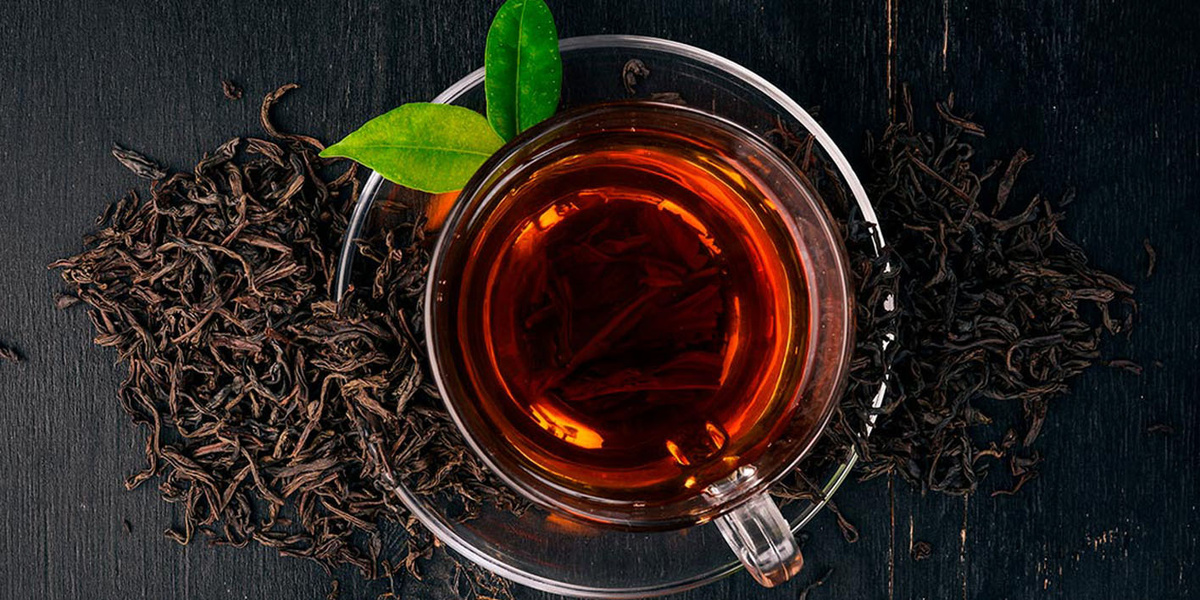
Tea and Human Health: A Scientific Overview
Tea is the second most consumed beverage worldwide after water.
Decades of research link tea consumption to reduced risk of chronic disease and improved metabolic and cognitive health.
According to the World Health Organization (WHO), tea polyphenols play a role in cardiovascular protection and antioxidant defense.
WHO – Diet, Nutrition and Chronic Disease
https://www.who.int/publications/i/item/WHO-TRS-916
The Bioactive Compounds That Make Tea “Royal”
Tea leaves contain powerful bioactive substances:
-
Polyphenols (catechins, flavonoids)
-
L-theanine
-
Caffeine (moderate)
-
Minerals and trace elements
These compounds act synergistically to support cellular health.
National Institutes of Health (NIH) – Tea Bioactives
https://www.ncbi.nlm.nih.gov/pmc/articles/PMC5452225/
Green Tea: The Cornerstone of Royal Tea
Green tea is the most extensively studied tea variety.
Evidence-Based Benefits
-
Reduces oxidative stress
-
Supports fat metabolism
-
Improves insulin sensitivity
-
Protects cardiovascular health
The catechin EGCG (epigallocatechin gallate) is responsible for many of these effects.
Harvard T.H. Chan School of Public Health – Green Tea
https://www.hsph.harvard.edu/nutritionsource/food-features/tea/
Black Tea: Cardiovascular and Cognitive Support
Black tea undergoes full oxidation, creating unique flavonoids.
Scientific Findings
-
Improves endothelial function
-
Lowers LDL cholesterol
-
Supports attention and alertness
Regular black tea consumption is associated with lower stroke risk.
European Journal of Epidemiology – Black Tea
https://link.springer.com/article/10.1007/s10654-012-9680-3
White Tea: Minimal Processing, Maximum Antioxidants
White tea is the least processed form of tea.
Health Properties
-
High antioxidant concentration
-
Anti-aging cellular protection
-
Potential antimicrobial effects
Laboratory studies show strong free-radical scavenging capacity.
Journal of Food Science – White Tea
https://ift.onlinelibrary.wiley.com
Herbal Teas: Royal Tea Beyond Camellia Sinensis
Herbal teas are caffeine-free infusions derived from plants, flowers, and roots.
Scientifically Supported Herbal Teas
-
Chamomile: sleep and anxiety reduction
-
Peppermint: digestive support
-
Ginger: anti-inflammatory effects
-
Hibiscus: blood pressure reduction
National Center for Complementary and Integrative Health (NCCIH)
https://www.nccih.nih.gov/health/herbsataglance
Royal Tea and Brain Health
Tea’s combination of caffeine and L-theanine enhances:
-
Focus
-
Calm alertness
-
Cognitive performance
Studies show this combination improves attention without overstimulation.
Nutrients Journal – L-Theanine
https://www.mdpi.com/2072-6643/9/6/597
Royal Tea and Longevity Research
Population studies indicate that regular tea drinkers experience:
-
Reduced cardiovascular mortality
-
Lower all-cause mortality risk
A large cohort study published in The European Heart Journal confirmed longevity benefits.
European Heart Journal – Tea and Mortality
https://academic.oup.com/eurheartj/article/41/26/2462/5868622
How to Prepare Royal Tea Correctly
Preparation affects health outcomes.
Royal Health recommends:
-
Water temperature suited to tea type
-
Brewing time between 2–4 minutes
-
Avoid boiling green or white tea
-
Minimal or no added sugar
Overbrewing increases bitterness and reduces polyphenol bioavailability.
What Royal Tea Is Not Royal tea is not:
-
Sugar-loaded bottled tea
-
Artificially flavored tea drinks
-
Excessively caffeinated beverages
-
Detox myths without evidence
Health benefits come from pure tea leaves or authentic herbs, not commercial additives.
Who Should Be Cautious with Tea?
Moderation is advised for:
-
Pregnant individuals (caffeine limits)
-
Iron-deficiency patients (avoid tea with meals)
-
People sensitive to caffeine
NIH – Caffeine Intake
https://www.ncbi.nlm.nih.gov/books/NBK519490/
Royal Health Guidelines for Daily Tea Consumption
Evidence supports:
-
2–4 cups daily for most adults
-
Variety across tea types
-
Consistency over excess
Tea works best as part of an overall healthy lifestyle.
Final Thoughts: Royal Tea as Daily Preventive Medicine
Royal tea is a scientifically validated wellness beverage that supports:
-
Cardiovascular health
-
Brain performance
-
Metabolic balance
-
Healthy aging
At Royal Health, we view tea as a daily ritual of intelligent self-care, rooted in both tradition and modern science.
Dr. Ibrahem Abdelghany
Royal Health – Evidence-Based Wellness & Longevity
Optional Next Content for Royal Health
I can also create:
-
Royal tea comparison chart (green vs black vs herbal)
-
Article on tea and gut microbiome
-
Royal tea protocol for heart or brain health
-
Arabic or bilingual version
Just tell me how you want to expand your Royal Health knowledge platform.