The Role of the Sun in Our Health: Nature’s Free Medicine
The sun has been part of human life since the beginning of time. Long before supplements, gyms, or wellness trends, sunlight quietly shaped our biology. Even today, just a few minutes under the sun can change how we feel—energized, calm, and more alive. But what exactly does the sun do for our health? Let’s break it down in a simple, real-life way.
☀️ Sunlight and Vitamin D: The Classic Connection
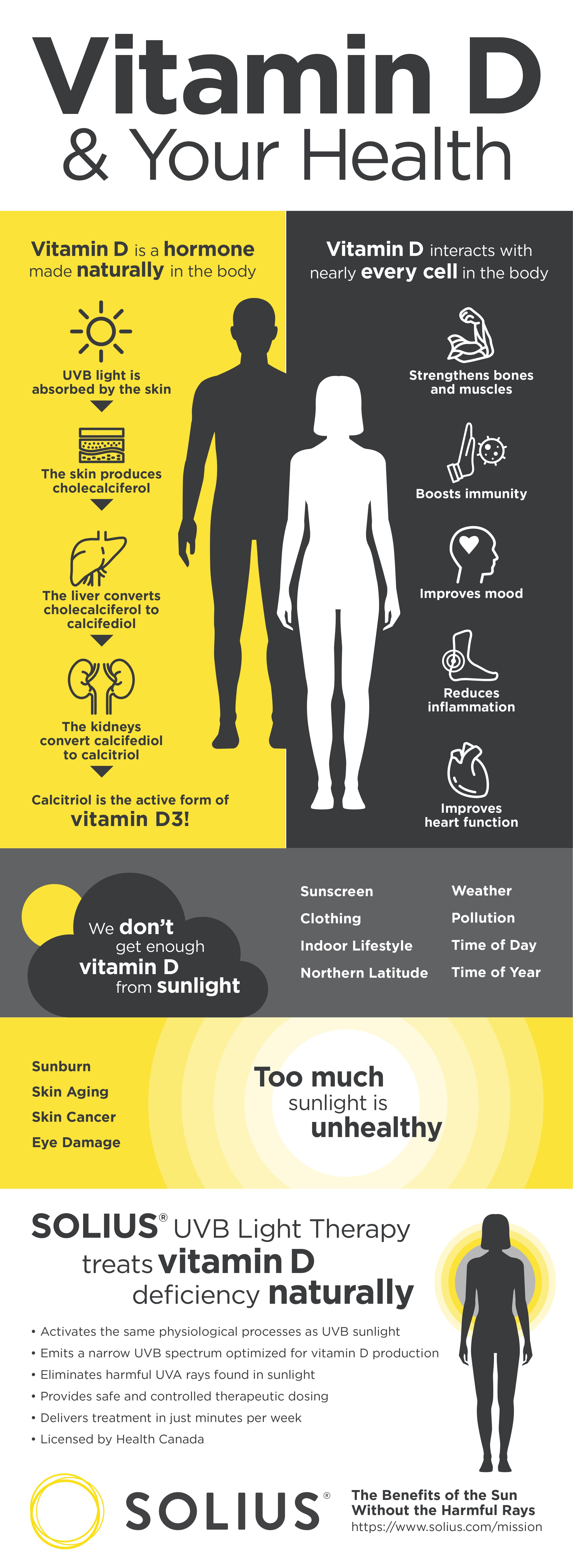
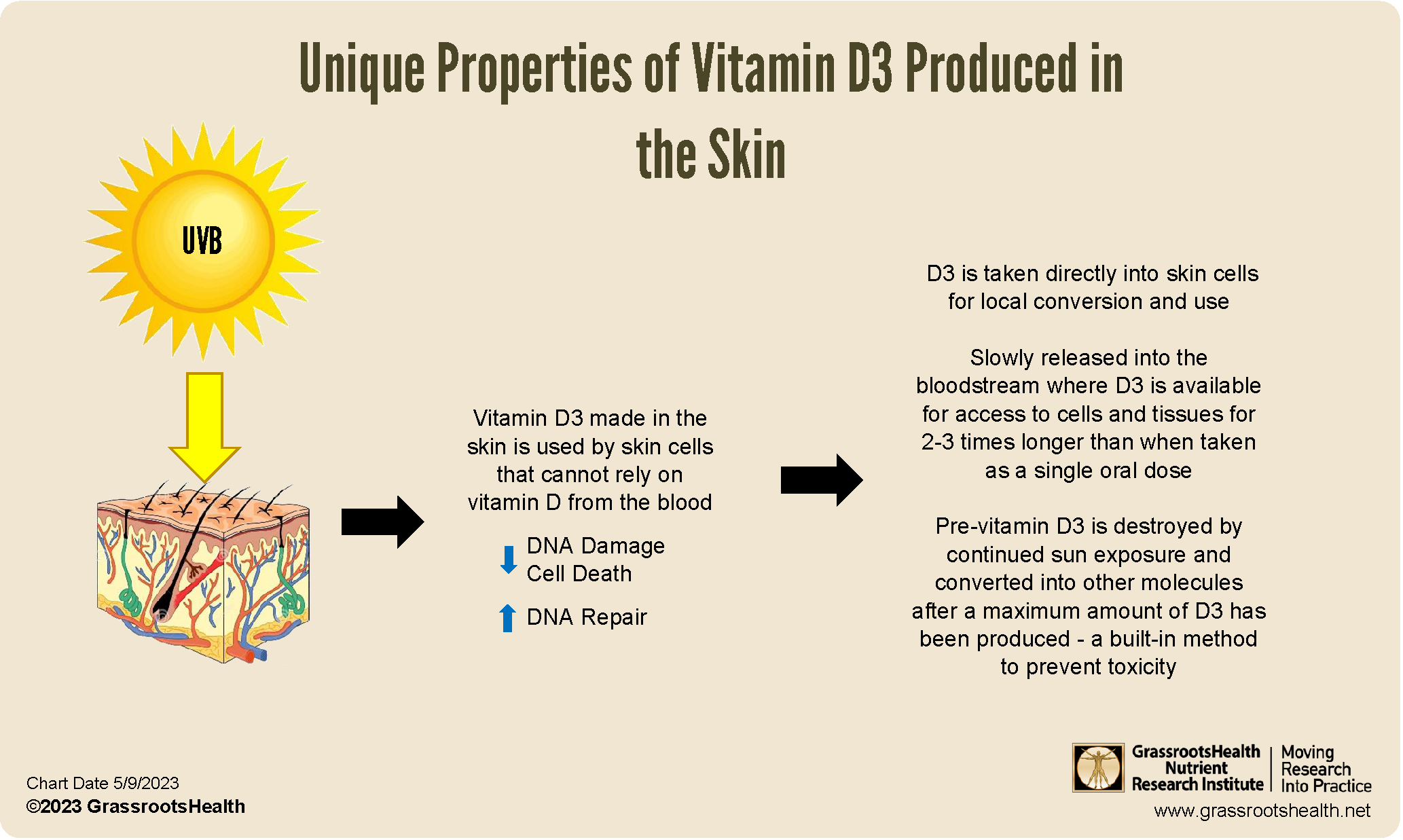
When sunlight hits your skin, your body starts producing vitamin D, often called the “sunshine vitamin.”
Why it matters:
-
Supports strong bones and teeth
-
Helps absorb calcium and phosphorus
-
Plays a role in immune system strength
-
Linked to lower risk of osteoporosis and fractures
Surprisingly, many people around the world—even in sunny countries—are vitamin D deficient because of indoor lifestyles, sunscreen overuse, and limited sun exposure.
👉 Just 10–20 minutes of sun, a few times a week (depending on skin tone), can make a real difference.
🧠 Sunlight and Mental Health: A Natural Mood Booster
Ever notice how gloomy days affect your mood? That’s not in your head—it’s biology.
Sunlight helps:
-
Increase serotonin, the “feel-good” brain chemical
-
Improve mood and emotional balance
-
Reduce symptoms of depression and anxiety
-
Support mental clarity and focus
This is why sunlight exposure is often recommended for people with seasonal affective disorder (SAD) and low mood.
😴 The Sun and Your Sleep Cycle
Your body runs on an internal clock called the circadian rhythm, and sunlight is its main guide.
Morning sunlight:
-
Tells your brain it’s time to wake up
-
Helps regulate melatonin production
-
Improves sleep quality at night
-
Reduces insomnia and irregular sleep patterns
A simple habit like getting sunlight within the first hour of waking can improve sleep more than many sleep aids.
❤️ Sunlight and Heart Health
Moderate sun exposure may also benefit your heart.
Research suggests sunlight:
-
Helps lower blood pressure
-
Improves blood vessel function
-
Supports overall cardiovascular health
Sunlight triggers the release of nitric oxide in the skin, which relaxes blood vessels and improves circulation.
🦠 Immunity and Inflammation
The sun plays a subtle but important role in immune balance.
Benefits include:
-
Supporting immune cell activity
-
Reducing excessive inflammation
-
Helping the body respond better to infections
Vitamin D produced by sunlight is especially important for immune regulation.
⚠️ Balance Is Key: Too Much Sun Isn’t Healthy
While the sun is powerful, overexposure can cause harm.
Risks of excessive sun exposure:
-
Sunburn
-
Skin aging (wrinkles, dark spots)
-
Increased risk of skin cancer
Healthy sun habits:
-
Short, regular exposure
-
Avoid harsh midday sun for long periods
-
Use sunscreen when staying out longer
-
Protect face and eyes when needed
🌤️ Simple Ways to Get Healthy Sun Exposure
You don’t need a beach vacation. Small daily habits work:
-
Morning walk in sunlight
-
Sit near a sunny window
-
Outdoor exercise
-
Coffee or tea in the sun
-
Gardening or light outdoor chores
Consistency matters more than duration.
🌞 Final Thoughts: Respect the Sun, Don’t Fear It
The sun isn’t something to avoid—it’s something to use wisely. In the right amounts, sunlight supports your bones, brain, heart, immune system, sleep, and overall sense of well-being.
In a world of pills and programs, the sun remains one of the most natural, free, and powerful health tools we have.