Royal Health Perspective (At a Glance)
Royal music is:
-
Structured
-
Harmonious
-
Emotionally intelligent
-
Neuroscience-supported
Royal music is not:
-
Noise
-
Overstimulation
-
Excessive volume
-
Emotional chaos
Why Music Matters Biologically

When a person listens to refined, well-structured music, the body responds immediately across multiple systems:
| Body System | Scientifically Observed Effect |
|---|---|
| Brain | Neuroplasticity and memory activation |
| Nervous system | Parasympathetic (calming) response |
| Hormones | Increased dopamine, reduced cortisol |
| Heart | Improved rhythm and variability |
According to the National Institutes of Health, music influences both emotional regulation and physiological balance.
https://www.ncbi.nlm.nih.gov
What Qualifies as “Royal Music”?
Royal music is defined by structure, harmony, and emotional coherence rather than status or luxury.
Common forms include:
-
Classical and orchestral compositions
-
Sacred and choral music
-
Piano, strings, harp, and chamber music
-
Slow-tempo instrumental soundscapes
These musical forms share predictable rhythm and harmonic balance, which support nervous system regulation.
Harvard Medical School confirms that structured music positively influences mood and cognitive function.
https://www.health.harvard.edu/mind-and-mood/music-and-health
Royal Music and the Brain
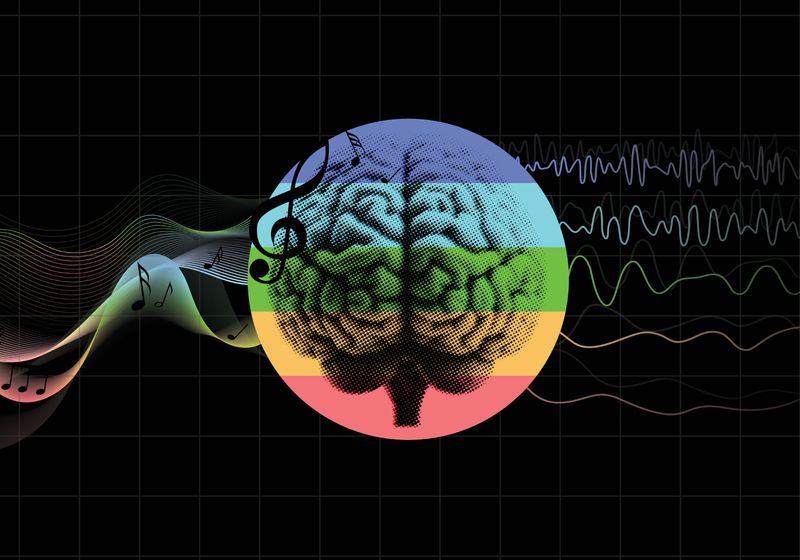
Scientific research demonstrates that music stimulates key brain regions, including the prefrontal cortex and the limbic system.
Documented cognitive benefits include:
-
Improved focus and learning efficiency
-
Enhanced memory recall
-
Emotional stability
-
Reduced mental fatigue
Functional MRI studies published in Frontiers in Psychology confirm these neural effects.
https://www.frontiersin.org/articles/10.3389/fpsyg.2013.00494
Royal Music and Heart Health
Listening to calm, rhythmic music has measurable cardiovascular effects:
-
Slower resting heart rate
-
Lower blood pressure
-
Improved heart rate variability
The American Heart Association recognizes music as a supportive tool for cardiovascular stress management.
https://www.heart.org/en/healthy-living/healthy-lifestyle/stress-management/music-and-heart-health
Stress, Anxiety, and Sleep Regulation
Slow-tempo, melodic music has been shown to:
-
Reduce cortisol levels
-
Improve sleep onset
-
Support deeper relaxation states
The World Health Organization recognizes music as a complementary approach to mental well-being.
https://www.who.int
Royal Music Usage Principles
-
Intentional listening
Music should be listened to consciously rather than used only as background noise. -
Volume discipline
Moderate sound levels are essential to avoid nervous system overstimulation. -
Emotional alignment
Music should calm, stabilize, or elevate mood rather than provoke agitation.
When Music Becomes Unhealthy
Music may negatively impact health when it:
-
Is consistently loud
-
Promotes emotional dysregulation
-
Disrupts sleep cycles
-
Causes sensory overload
Royal living emphasizes balance, not excess.
How to Integrate Royal Music Into Daily Life
| Time of Day | Recommended Music Style |
|---|---|
| Morning | Instrumental music for focus |
| Work | Baroque or classical background music |
| Evening | Piano or string compositions |
| Sleep | Slow ambient or sacred music |
Consistency is more important than duration.
Educational YouTube Resources (Science-Based)
How Music Changes the Brain – TED-Ed
https://www.youtube.com/watch?v=0pnxj4HhThI
Music Therapy Explained – Cleveland Clinic
https://www.youtube.com/watch?v=1rZ4Jf6F9nY
Classical Music for Focus and Calm
https://www.youtube.com/watch?v=GRxofEmo3HA
Music and Stress Reduction – Harvard-Based Talk
https://www.youtube.com/watch?v=RZ6K7Xc6WmQ
Final Royal Health Insight
Royal music is structured sound with purpose.
It supports brain longevity, emotional balance, stress resilience, and cardiovascular health.
In a noisy world, refined music becomes a form of preventive medicine.